
Sizing
How to Size a Wood Stove for Your Home
Matching heat output to room volume and climate zone — the factors that determine the correct stove rating for Canadian residential conditions.
A structured reference covering stove sizing, minimum clearance distances, chimney requirements, and the installation codes that apply in Canadian provinces.

Key Topics
Each section focuses on a distinct aspect of wood stove selection and installation, drawing on publicly available Canadian building standards.
Output in BTUs or kilowatts is matched to room volume and insulation level. Oversizing is a common error that leads to incomplete combustion and excess creosote buildup.
Canadian standards specify minimum distances between the stove body, flue connector, and combustible surfaces. These vary by stove type and whether a heat shield is present.
Factory-built chimneys must carry ULC S629 certification in Canada. Flue diameter, height above roofline, and horizontal connector limits are each addressed in CSA B365.
Most Canadian municipalities require a building permit for solid-fuel appliance installations. WETT (Wood Energy Technology Transfer) certification is commonly required for insurance purposes.
While the National Building Code sets baseline requirements, provinces like British Columbia, Ontario, and Quebec have adopted specific amendments affecting appliance standards and inspector qualifications.
Seasoned hardwood with moisture content below 20% burns more efficiently and produces less particulate matter. Wood species, splitting size, and storage method all affect burn quality.
Sizing Fundamentals
A wood stove's heat output is typically rated in BTUs per hour or kilowatts. The general guideline used across Canadian climates is approximately 10 watts (34 BTU/h) per cubic foot of well-insulated living space — though this figure rises considerably in older homes or regions with extended cold seasons.
In a typical Canadian home with 8-foot ceilings, a living room of 350 square feet requires roughly 10,000–12,000 BTU/h under average insulation conditions. A stove rated at 50,000 BTU/h in such a space will frequently operate at low output levels, increasing the risk of incomplete combustion and chimney deposits.
Manufacturers publish both nominal and tested output ratings. The tested figure, verified under CSA or EPA protocols, is the more reliable number for sizing decisions.

Installation Standards
The primary installation standard for solid-fuel appliances in Canada is CSA B365, which covers installation requirements for solid-fuel-burning appliances and equipment. It specifies floor protection dimensions, connector length limits, and thimble requirements when passing through walls or ceilings.
The National Building Code of Canada (NBC) references CSA B365 for residential solid-fuel installations. Local authority having jurisdiction (AHJ) may impose additional requirements, and it is the homeowner's responsibility to verify current municipal requirements before proceeding.
WETT-certified technicians are trained specifically in Canadian solid-fuel appliance standards and are accepted by most insurers as qualified inspectors for new installations and pre-sale assessments.

Reference Articles
Three focused articles covering sizing, clearances, and installation code requirements in Canada.
Matching heat output to room volume and climate zone — the factors that determine the correct stove rating for Canadian residential conditions.
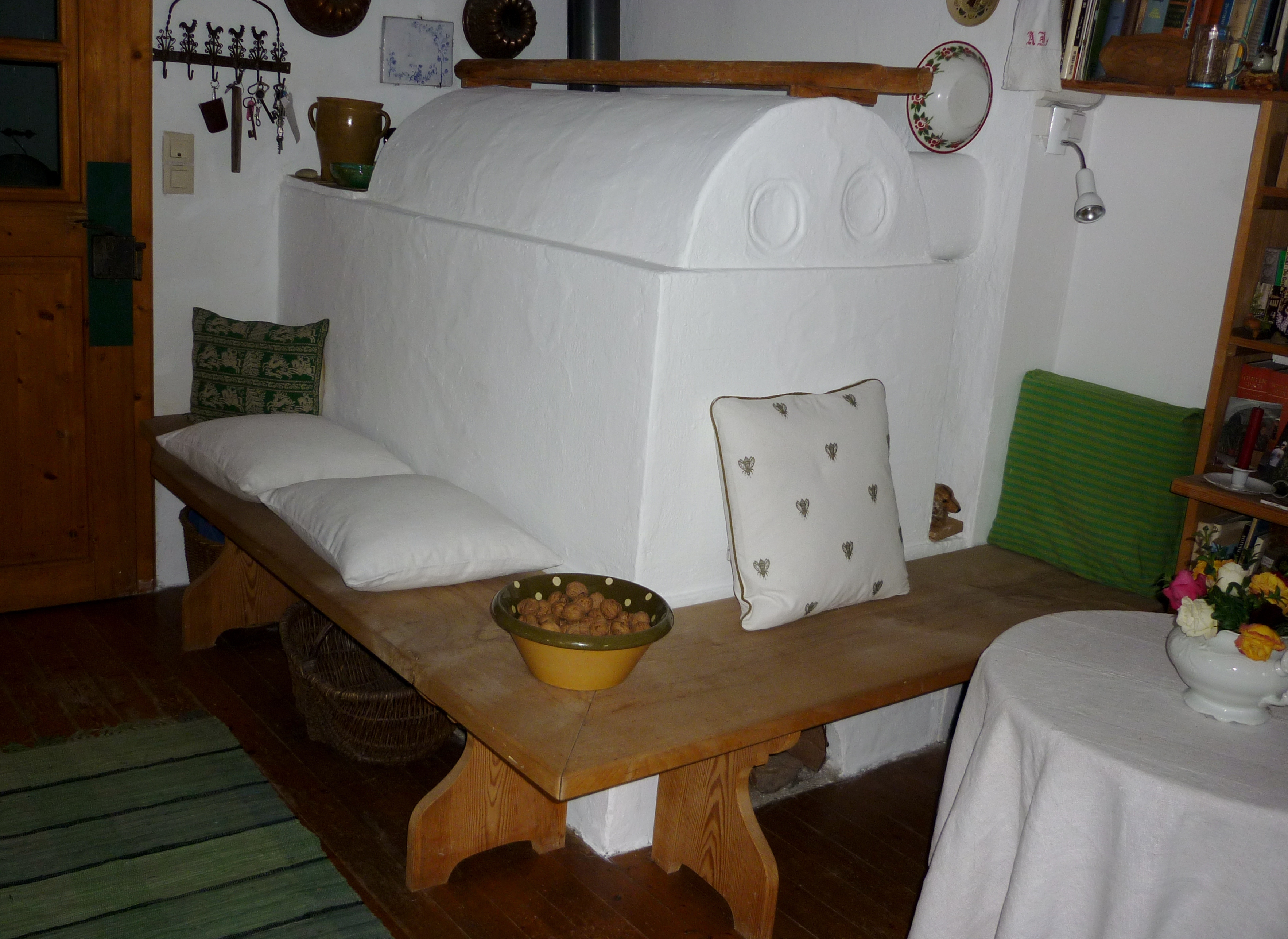
Minimum distances from combustible surfaces, floor protection requirements, and how heat shields affect the clearance calculations under CSA B365.

Building permits, chimney certifications, inspection requirements, and the provincial variations that affect wood stove installations across Canada.
Contact
If you have identified an error in our reference material or have a question about a specific section, use this form. Responses are not guaranteed on a fixed timeline.
For professional installation advice, consult a WETT-certified technician in your area.